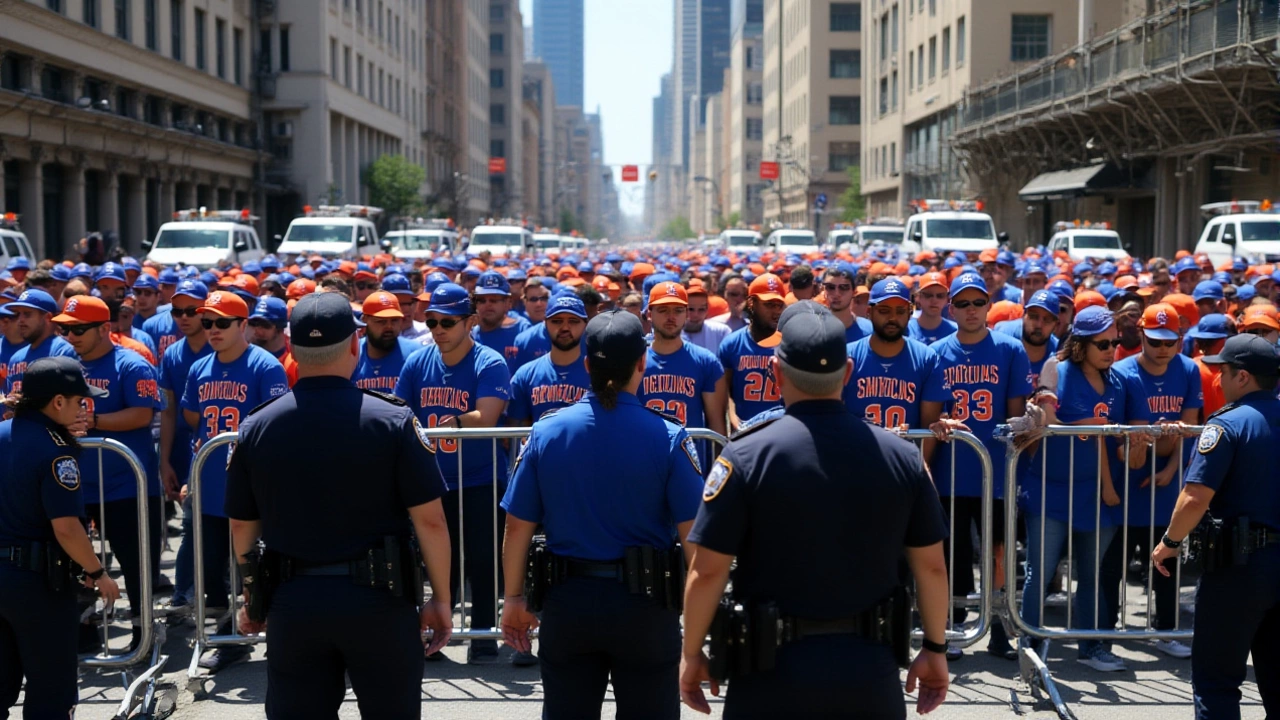
It was supposed to be the sweetest night in New York Knicks history. Instead, it turned into a scene straight out of a disaster movie. Hours before the city could officially celebrate the team’s first NBA title in 53 years, Manhattan descended into chaos. Fans didn’t just cheer; they rioted.
The streets north of Madison Square Garden became a pressure cooker. Crowds that started as celebratory swelled into unruly mobs stretching from Fifth Avenue to Ninth Avenue. By morning, the New York Police Department (NYPD) had made at least 63 arrests. The damage? Five school buses set on fire. Four stabbings. One shooting. And ten officers injured.
From Celebration to Mayhem
Here’s the thing about New York sports fans: we’re passionate. But this wasn’t just passion. It was something darker, fueled by decades of heartbreak finally breaking. When the Knicks clinched the championship, the release of tension was explosive. Videos circulating online show scenes that look less like a victory lap and more like a siege.
According to reports from LiveNOW from FOX, citing police sources, large crowds began forming while the game was still in progress. These weren’t small groups. We’re talking tens of thousands of people packing the sidewalks. As the final buzzer sounded, the mood shifted. What started as chanting turned into reckless behavior. Property damage escalated quickly. Officers found themselves overwhelmed not just by numbers, but by violence.
The twist is that this happened *before* the official parade. The city hadn’t even begun its planned celebration yet. This was raw, unfiltered reaction. And it got ugly fast.
The Human Cost of Victory
Let’s talk specifics, because the numbers are staggering. The NYPD reported responding to four stabbing incidents and one shooting near 43rd Street and Broadway. In that shooting, a 17-year-old victim was hit. Ambulances couldn’t reach him due to the sheer density of the crowd. Officers ended up carrying the teenager to safety themselves—a grim image for a night meant for joy.
Police officers paid a heavy price too. Ten were injured. One was punched directly in the face. Another was struck with a glass bottle. Charges filed include assault on a police officer, criminal possession of a weapon, criminal mischief, disorderly conduct, resisting arrest, and obstruction of governmental administration. These aren’t minor infractions. They’re serious felonies.
Then there’s the property damage. Five school buses were either set ablaze or destroyed. Eyewitnesses described people jumping on them and using bats to smash windows. It’s baffling why innocent public assets became targets, but the destruction was real. Damaged police vehicles added to the bill.
Security Tightens for Thursday’s Parade
So, what happens next? The parade isn’t canceled. If anything, security has been dialed up to eleven. On Wednesday, the NYPD announced a massive deployment: more than 10,000 officers will be on duty for the championship parade scheduled for Thursday in Manhattan.
This isn’t overkill. Given the overnight events, it’s necessary. The department is treating the upcoming event with extreme caution. Expect barricades, restricted zones, and a visible police presence everywhere. The message is clear: celebrate, but keep it safe.
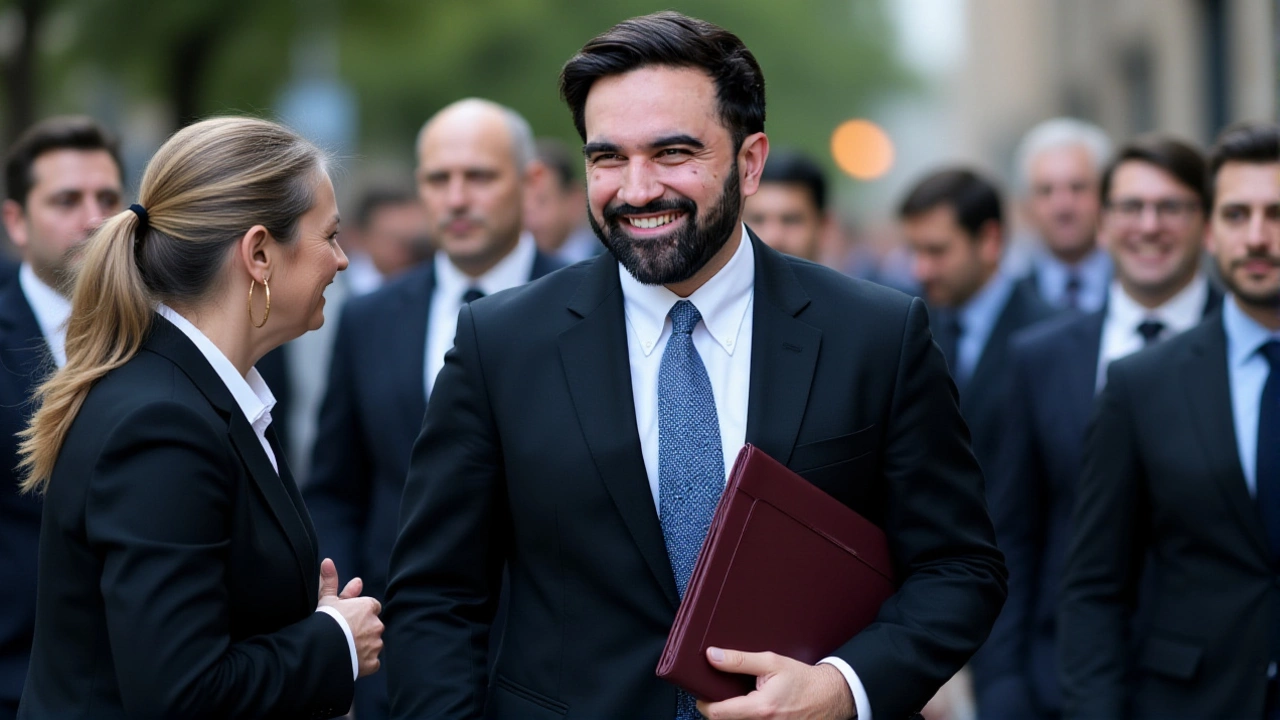
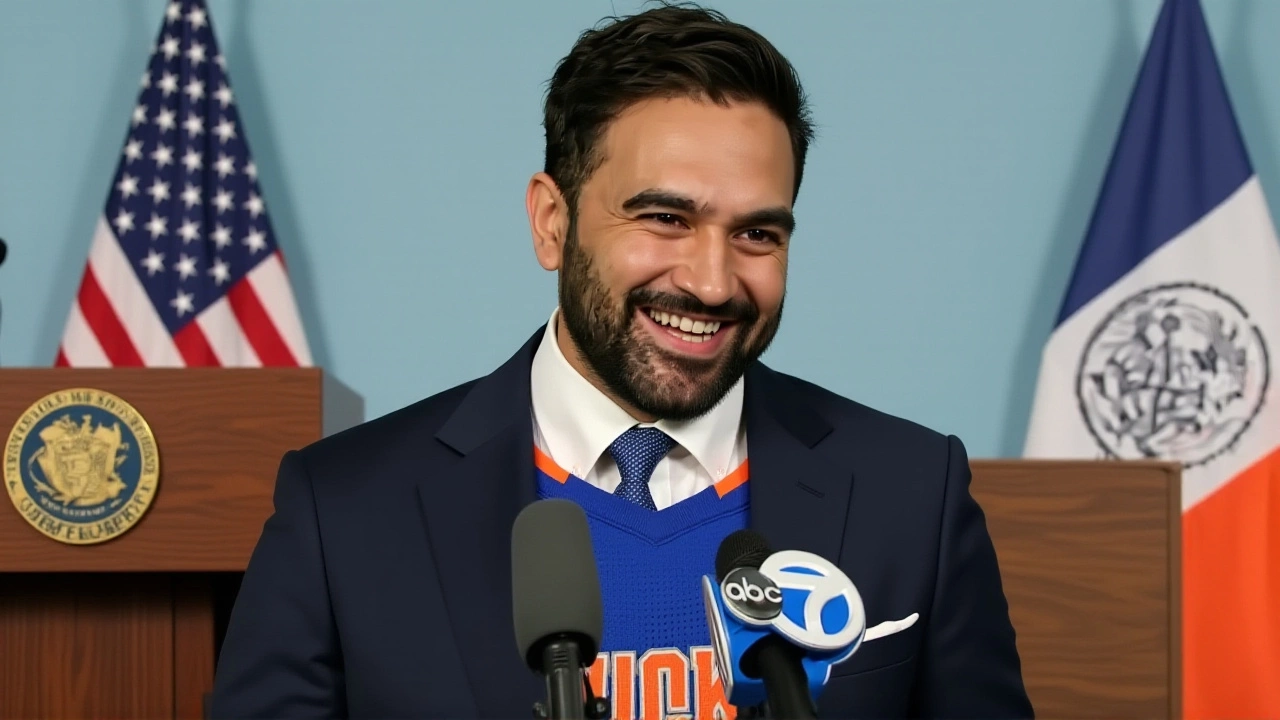
Zoran Mdani, whose statement was cited in broadcast reports, confirmed the parade would proceed as planned. But the atmosphere will be different. Last time, it was spontaneous. This time, it’s controlled. Whether that dampens the spirit or ensures safety remains to be seen.
Why Did It Get So Bad?
Experts point to a perfect storm. Fifty-three years is a long drought. For older fans, this was their only chance. For younger ones, it was a historic moment handed down. The emotional weight was immense. Add alcohol, late-night hours, and dense urban geography, and you get volatility.
CBS News New York reporters Andrew Ramos and Elijah Westbrook covered the aftermath, noting how quickly the narrative shifted from triumph to tragedy. Ramos documented fan reactions—many genuine and joyful—while Westbrook focused on the arrests. The duality is stark. Most fans behaved. A loud minority didn’t.
Historically, post-championship riots aren’t new. Think of the 1994 Rangers or the 2004 Red Sox. But usually, the violence comes *after* the parade, when adrenaline peaks and crowds disperse into residential areas. Here, it happened *before*, concentrated around the arena. That suggests a breakdown in crowd control early on.
What’s Next for the City?
The legal fallout will take months. Prosecutors will have their work cut out for them processing 63+ cases. Some defendants may face jail time. Others, fines. The city will likely sue for damages to the buses and other property. Insurance claims will pile up.
For the Knicks organization, it’s an awkward position. They won. But the association with violence casts a shadow. Expect statements condemning the behavior while thanking fans. They’ll want to separate the team from the thugs.
For New Yorkers, it’s a reminder. Joy can turn dangerous if unchecked. The parade on Thursday will test whether the city can channel that energy positively. With 10,000 cops watching, hope springs eternal. But let’s be honest: one bad actor can ruin it all again.
Frequently Asked Questions
How many people were arrested after the Knicks game?
The NYPD reported at least 63 arrests made overnight and into the morning following the championship win. Charges included assault on police officers, criminal mischief, and disorderly conduct. Fox 5 New York corroborated these figures, noting over 60 arrests linked to the unrest near Madison Square Garden.
What specific violent incidents occurred during the celebrations?
Police responded to four stabbings and one shooting at 43rd Street and Broadway, where a 17-year-old was injured. Additionally, five school buses were set on fire or destroyed with bats. Ten NYPD officers were injured, including one punched in the face and another struck with a glass bottle.
When and where is the Knicks championship parade taking place?
The parade is scheduled for Thursday in Manhattan. While the exact route details are finalized by the city, it will follow the traditional path through Midtown. Security will be significantly heightened compared to previous years, with over 10,000 NYPD officers deployed to manage the crowds.
Why were school buses targeted during the unrest?
The motives behind targeting school buses remain unclear, though witnesses described individuals jumping on them and using bats to cause damage. Authorities have condemned the destruction of public property, emphasizing that such actions harm innocent citizens and strain municipal resources without contributing to the celebration.
How does this compare to past championship riots in NYC?
Unlike the 1994 Rangers or 2004 Red Sox riots, which occurred after parades dispersed crowds into neighborhoods, this unrest happened immediately after the game, centered around Madison Square Garden. The concentration of violence before the official parade suggests a rapid escalation of tensions rather than a delayed reaction.